Best IPL Epilator: Braun Silk·Expert Pro 5 Leads

Five at-home IPL devices ranked by what the listings actually publish: skin sensors, cooling, weight and heads. Which one suits your skin tone, budget and treatment areas, and where the qualifier breaks down.

By Saul MontgomeryUpdated 14 min read
On this page
- How I screened these five down
- Best IPL epilator at a glance
- IPL versus a true epilator: what you're actually buying
- 1. Braun Silk·Expert Pro 5 — Best overall
- 2. Philips Lumea IPL — Best premium
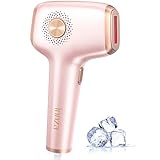
- 3. INNZA IPL Ice Cooling — Best budget pick
- 4. INNZA IPL Rose Gold — Best upgrade
- 5. Nood Flasher Pro — Best minimal setup
- Does the cooling feature really matter?
- Which skin tones can use IPL safely?
- What the listings leave out
- The verdict
- FAQ
The best IPL epilator for most people is the Braun Silk·Expert Pro 5, a 1.89 lb handset with 2 heads and an automatic skin-tone sensor that adjusts each flash. If you want curved attachments shaped for face, bikini and underarm, the Philips Lumea BRI984/03 is the better match. One point up front: an IPL device and a true epilator do different jobs, and the deciding specification here is the skin-tone sensor, not the flash count on the box.
How I screened these five down
I compared the published specifications for five at-home light-based devices side by side, then cut on what the listings actually confirm rather than what the marketing promises. Three things separated the field.
- Named skin-tone control. Braun's SensoAdapt and Philips' SenseIQ are described in the listings as automatic sensors. The others list energy levels you set by hand.
- Verifiable body specs. Two picks publish weight and dimensions. Two publish almost nothing beyond colour and model.
- What comes in the box. Braun lists 2 heads and a pouch. Philips lists 4 attachments. The rest list none.
Here's the disqualification-first logic. Nothing was cut for being cheap. The INNZA pair earned spots precisely because they sit at the low end while still claiming 9 energy levels and a cooling function. What nearly sank a pick was thin data: when a listing gives you only a colour and a model number, you cannot judge fit, heft or included parts before it arrives. That is a real cost, and I've flagged it in every section where it applies.
One word on the "epilator" in your search. Most of these are IPL light devices, not mechanical epilators that pull hair with tweezing heads. Amazon returned them under the same category, so I've treated the best IPL epilator question as an at-home light-hair-removal question. Judge the mechanical-versus-light choice yourself before you buy.
Best IPL epilator at a glance
| Pick | Skin sensor | Included heads | Price |
|---|---|---|---|
Best overall Braun Silk·Expert Pro 5 |
SensoAdapt, auto | 2 heads + pouch | Check Price |
Best premium Philips Lumea IPL |
SenseIQ, 3 sensors (claim) | 4 attachments | Check Price |
Best budget pick INNZA IPL Ice Cooling |
Manual, 9 levels | Not listed | Check Price |
Best upgrade INNZA IPL Rose Gold |
Manual, 9 levels | Not listed | Check Price |
Best minimal setup Nood Flasher Pro |
Not listed | Ageless Lens (claim) | Check Price |



IPL versus a true epilator: what you're actually buying
This matters before you spend anything. A mechanical epilator has rotating tweezer heads that grip and pull hair from the root. It works on any hair colour and any skin tone, and it hurts. IPL is different. Intense pulsed light targets the pigment in the hair, heats the follicle, and slows regrowth over weeks.
Your search says "best IPL epilator", so here is the honest split:
- You want gradual, near-permanent reduction. IPL is the technology. Every pick on this page uses it.
- You want hair gone right now, this minute. A mechanical epilator pulls it out today. None of these do that.
- Your hair is very light or your skin is deep. IPL relies on contrast between hair and skin. A mechanical epilator does not.
So the deciding question is not which flash count is highest. It is whether IPL suits your colouring at all. If it does, the best IPL epilator for you comes down to skin-tone control and what's in the box, which is why the Braun leads.
1. Braun Silk·Expert Pro 5 — Best overall
The Braun Silk·Expert Pro 5 wins because it pairs an automatic skin-tone sensor with 2 heads and the fullest published spec sheet in this set.
Best for: someone treating multiple body areas who wants an automatic skin-tone sensor Skip it if: you want the lightest possible handset
What sets this one apart in the group is that Braun actually tells you what you're holding. It weighs 1.89 lb, measures 7.65 x 10.9 x 3.84 in, and ships in Gold/White with a pouch and 2 heads. That's more hard data than the INNZA pair or the Nood offer combined. It released in 2020, so it's the older design here, but the spec transparency still leads.
The headline feature is SensoAdapt. Braun says the sensor reads your skin tone and adjusts each flash automatically, with a UV filter, and describes it as eye-safe with no glasses needed. That's a manufacturer claim, not a lab result, but an automatic sensor removes a step the manual 9-level INNZA devices leave to you. Braun also claims full-body treatment in about 10 minutes and results from the second use.
The trade-off is size. At 1.89 lb this is the heaviest handset with a published weight, roughly triple the 0.66 lb INNZA Rose Gold. And it sits in the upper price tier, so you pay for the data and the sensor. Worth it if you're treating legs, arms and bikini rather than one small patch.
Pros:
- Most complete published specs in this set
- SensoAdapt automatic skin-tone sensor (claim)
- Ships with 2 heads and a pouch
- Dermatologically and gynecologically approved (claim)
Cons:
- Heaviest device with a published weight, 1.89 lb
- Upper price position in this group
- Oldest design here, released 2020
2. Philips Lumea IPL — Best premium
The Philips Lumea BRI984/03 earns the premium spot for its 4 curved attachments and a 3-sensor smart-comfort system Philips describes for face and body.

Best for: someone who wants curved attachments matched to face, bikini and underarm Skip it if: you don't want to pay the top price here for unlisted specs
The Philips Lumea is the newest pick, released in 2025, and it's the most expensive of the five. What you get for that position is coverage. The listing states four unique curved attachments for body, face, bikini and underarm, each shaped for skin contact. That's twice the head count Braun publishes and the widest area coverage claimed here.
Philips describes SenseIQ as a 3-sensor system that reads skin tone and adjusts temperature, and says it detects skin contact so it won't flash in the air. Like Braun's sensor, that's the automatic control that separates the premium tier from the manual INNZA devices. Philips also claims visible results in 2 sessions and more than 90% hair removal in 3 treatments. Treat those as marketing figures, not measurements.
Here's the honest weakness. For the highest price in the set, Philips publishes no weight and no dimensions, only a size descriptor covering body, face, bikini and underarm. Braun costs less here and tells you exactly what it weighs. If area-specific attachments matter more to you than knowing the heft in advance, the Lumea justifies the top spot.
Pros:
- 4 curved attachments for multiple areas
- SenseIQ 3-sensor comfort system (claim)
- Newest design, released 2025
- Contact detection to avoid stray flashes (claim)
Cons:
- Most expensive pick here
- No published weight or dimensions
- Only one seller lists it
3. INNZA IPL Ice Cooling — Best budget pick
This INNZA is the cheapest of the five and the fastest seller of the pair, making it the low-risk way to try IPL at home.

Best for: a first-time buyer sharing one device across a household Skip it if: you want a published skin-tone sensor
If price decides it, this is your device. It's the cheapest of the six positions and it sells faster than its INNZA sibling, which tells you it's the one buyers reach for at this end of the market. INNZA lists it in white with model JD-TM016, and that's most of the published spec sheet, so temper your expectations on hard data.
The feature story leans on flexibility. INNZA claims 9 energy levels and 2 flash modes, so you set the intensity by hand rather than trusting an automatic sensor. It also claims an ice cooling function that cools the skin as it flashes, plus 999,999 flashes, which the listing frames as twice the life of a 500,000-flash device. That flash count makes it a reasonable pick for a whole household to share.
The gap versus the leaders is control. There's no SensoAdapt, no SenseIQ, so choosing the right level for your skin is on you. And with only a colour and a model published, you don't know the weight or what's in the box. Fine as a first IPL device. Not the one if you want the sensor to make the calls.
Pros:
- Cheapest pick in this set
- 9 energy levels and 2 flash modes (claim)
- Ice cooling function during flashes (claim)
- 999,999 flashes for household sharing (claim)
Cons:
- No automatic skin-tone sensor
- No published weight, dimensions or heads
- Only one seller lists it
4. INNZA IPL Rose Gold — Best upgrade
The Rose Gold INNZA is the lightest handset here at 0.66 lb, which makes long face and bikini sessions easier on your wrist.

Best for: someone who wants the lightest handset at 0.66 lb Skip it if: you need more than one listed spec to compare
This is the second-cheapest pick, and its one standout number is weight. At 0.66 lb it's the lightest device with a published weight, roughly a third of the Braun's 1.89 lb. For detailed work around the face, upper lip or bikini line, where you're holding the handset at odd angles, that lightness is a genuine comfort advantage the heavier premium picks can't match.
Beyond the weight and a Rose Gold finish, INNZA repeats the same feature claims as its cheaper sibling: 999,999 flashes, built-in ice cooling to reduce redness, and 9 energy levels with Auto and manual modes. The listing suggests 2 to 3 sessions a week for the first three weeks, then tapering to monthly. That's a typical IPL schedule, so plan for patience rather than instant results.
The catch is the slow sell-through and thin data. It moves less briskly than the white INNZA, and two sellers list it rather than one. You get weight, colour and a model number, and nothing on dimensions or included heads. Buy this one for the featherweight body. If you need a fuller spec sheet, step up to the Braun.
Pros:
- Lightest handset here at 0.66 lb
- Second-cheapest pick in the set
- Ice cooling to minimize redness (claim)
- Auto and manual flash modes (claim)
Cons:
- Slowest-selling of the two INNZA picks
- No published dimensions or included heads
- No automatic skin-tone sensor
5. Nood Flasher Pro — Best minimal setup
The Nood Flasher Pro suits a buyer who wants one purchase and no refills, backed by a lifetime flash guarantee the brand states.

Best for: someone who wants a one-time purchase with a flash guarantee Skip it if: you need published weight and dimensions before buying
Nood's pitch is simplicity. It sits mid-range for this set, in Gloss White, model T16A, and the whole appeal is the ownership model. Nood says the Flasher Pro is a one-time purchase with no refills and a lifetime flash replacement guarantee. Among five devices where two others advertise finite flash counts, a stated lifetime guarantee is a clear point of difference.
The listing adds two features worth attributing. Nood describes CryoSoothe cooling technology to keep skin cool during flashes, and a bonus Ageless Lens it frames as an anti-aging attachment, which none of the other four claim. It also uses MaxPulse technology, per the listing. All manufacturer claims, so weigh them as intent rather than proof.
The weakness is stark on data. Nood publishes a size, colour and model, and nothing else. No weight, no dimensions, no skin-tone sensor named, and it's the slowest seller of the group. You're buying the ownership promise and the bonus lens, not a verified spec sheet. If a lifetime guarantee and a two-in-one lens appeal more than knowing the handset weight, it's a fair pick. Otherwise the Braun tells you more.
Pros:
- Lifetime flash replacement guarantee (claim)
- One-time purchase, no refills (claim)
- Bonus Ageless Lens attachment (claim)
- CryoSoothe cooling technology (claim)
Cons:
- No published weight or dimensions
- No named skin-tone sensor
- Slowest seller in this set
Does the cooling feature really matter?
Cooling shows up on four of these five listings, so it's worth knowing what it does and doesn't do. IPL heats the follicle, and that heat can sting. A cooling contact surface takes the edge off and, per several of these brands, helps reduce redness afterward.
Here's what to keep in mind:
- It's about comfort, not results. Cooling doesn't remove more hair. It makes the session more tolerable, especially on sensitive spots.
- The names are branded. Nood calls it CryoSoothe, INNZA calls it Ice Cooling. Both describe a cooled surface during the flash.
- Braun takes a different route. Its listing leans on the SensoAdapt sensor and UV filter rather than a cooling claim.
If you're treating a tender area like the bikini line or upper lip, a cooling feature earns its place. For a leg session, it matters less. Don't let a cooling claim override the more important question of skin-tone control.
Which skin tones can use IPL safely?
IPL works by contrast. The light targets dark pigment in the hair against lighter skin, which is why skin tone decides whether the best IPL epilator will do anything for you at all. This is the pitfall that sinks more purchases than any spec.
- Light skin, dark hair: the ideal case. Strong contrast, good targeting.
- Deep skin tones: the light can target skin pigment too. Many IPL devices are not recommended here, so check the manufacturer's own tone chart.
- Very light, grey or red hair: little pigment for the light to find, so results are limited.
The automatic sensors help within their safe range. Braun's SensoAdapt and Philips' SenseIQ both claim to read your tone and adjust the flash, which is exactly why they lead this group over the manual INNZA devices. But an automatic sensor is not a licence to ignore the tone guidance. Read the brand's chart, do the patch test the instructions describe, and stop if your skin reacts. No device on this page overrides your own colouring.
What the listings leave out
Even the best-documented pick here has gaps, and it's fairer to name them than to pretend the data is complete.
- No power figures. None of the five lists wattage or joules per flash, so you can't compare raw intensity across brands.
- No treatment-window guarantees. Braun mentions "up to 2 years" hair-free in its copy, but that's a marketing figure with asterisks, not a spec.
- Thin data on three picks. The two INNZA devices and the Nood publish little beyond colour and model, so weight, dimensions and box contents are unknowns until arrival.
- Sensor detail is shallow. Braun and Philips name their sensors but don't publish the tone range in the listing.
The practical move: for the INNZA and Nood picks, treat the feature bullets as intent and the spec sheet as sparse. For Braun and Philips, you get more numbers, but you still verify the skin-tone guidance yourself. Buy the device whose published facts, not whose promises, match what you need.
The verdict
The best IPL epilator in this group is the Braun Silk·Expert Pro 5. It wins on the two things that actually decide an at-home IPL purchase: an automatic skin-tone sensor and a spec sheet you can trust. It's the only pick with published weight, dimensions and a stated 2 heads plus pouch, and its SensoAdapt sensor takes the level-setting decision off your plate.
Two conditions flip that. First, if you want attachments shaped for specific areas, the Philips Lumea BRI984/03 brings 4 curved heads and its own SenseIQ sensor, the widest area coverage claimed here, at the top price. Second, if budget rules, the white INNZA is the cheapest pick and the faster-selling of the two INNZA handsets, a low-risk entry point despite its thin data and manual controls.
The Philips runner-up's exact advantage over the Braun is coverage: 4 area-specific attachments against Braun's 2 heads. What Braun holds over Philips is transparency, since it publishes a 1.89 lb weight and full dimensions where the Lumea publishes neither. For most buyers, knowing what you're holding wins.
FAQ
Is an IPL epilator worth it over salon treatment?
An IPL epilator is worth it if you want to buy once and treat at home on your own schedule. Both Braun and Philips frame their devices as a one-time alternative to repeat salon visits, and Philips claims salon-like results at a fraction of the cost. The catch is patience: results build over weeks of sessions, not one appointment.
Which skin tones can use IPL safely at home?
Skin tones that can use IPL safely tend to be lighter skin paired with darker hair, because the light targets pigment contrast. Deeper skin tones and very light, grey or red hair see limited or no results, and some devices aren't recommended for darker skin. Braun's SensoAdapt and Philips' SenseIQ claim to adjust by tone, but always check the brand's own chart first.
Does the cooling feature actually reduce pain?
The cooling feature aims to reduce discomfort by chilling the skin surface as the device flashes. INNZA calls it Ice Cooling and Nood calls it CryoSoothe, and both listings claim it minimizes redness. It's a comfort feature, not a results feature. It won't remove more hair, but it can make sessions on sensitive areas noticeably more tolerable.
Braun Silk·Expert Pro 5 or Philips Lumea, which should I pick?
Between the Braun Silk·Expert Pro 5 and the Philips Lumea, choose Braun for transparency and Philips for coverage. Braun publishes a 1.89 lb weight, full dimensions and 2 heads plus a pouch. Philips ships 4 curved attachments for face, bikini and underarm but lists no weight and sits at the top price. Multiple areas favour Philips; knowing the specs favours Braun.
Why do these devices advertise 999,999 flashes?
These devices advertise 999,999 flashes to signal a long usable life without cartridge refills. Both INNZA picks make that claim, framing it as twice the life of a 500,000-flash device and enough to share across a household. Nood takes a different angle with a stated lifetime flash guarantee instead of a fixed number. Treat all flash counts as manufacturer claims.
Start by checking your hair and skin contrast against the brand's tone chart, because that single question decides whether any of these will work for you. If you clear it, the Braun Silk·Expert Pro 5 is the sensible default: it's the only pick that tells you its weight, its dimensions and exactly what's in the box, and its SensoAdapt sensor handles the level choice so you don't guess. Coverage-focused buyers can step to the Philips Lumea, and first-timers can start cheap with the white INNZA. Pick on published facts, not promises.